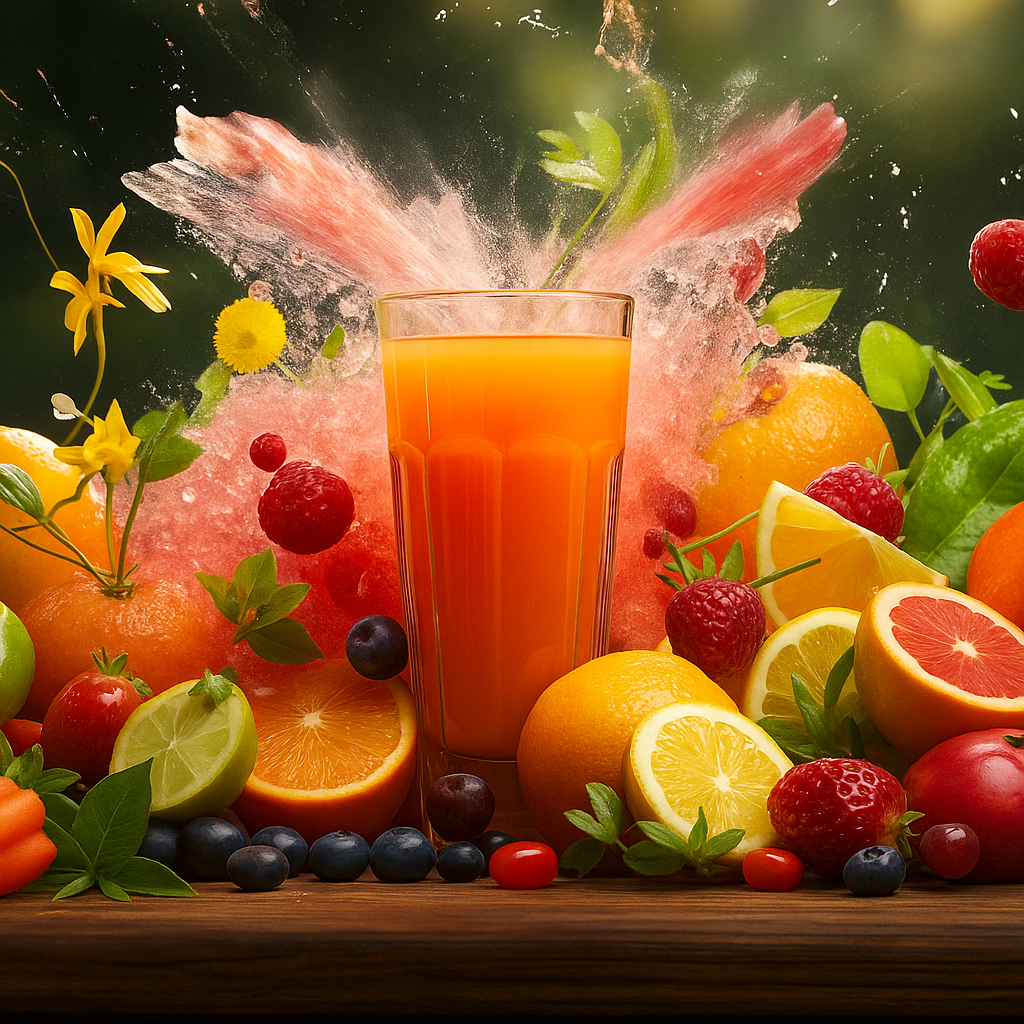
Juice: Nature’s Refreshing Boost in a Glass
Juice — it’s colorful, flavorful, and packed with the natural goodness of fruits and vegetables. Whether you’re sipping on orange juice at breakfast, grabbing a cold-pressed green juice after a workout, or blending your own creations at home, juice offers a delicious way to hydrate, nourish, and energize.
But beyond just being tasty, juice plays a bigger role in wellness and everyday life than most people realize.
What is Juice, Really?
At its core, juice is the liquid extracted from fruits or vegetables. It contains the vitamins, minerals, and natural sugars found in the produce, often concentrated into a convenient, easy-to-drink form. Juices can be:
- Freshly squeezed
- Cold-pressed
- Pasteurized (for longer shelf life)
- From concentrate (water is removed and later added back)
Types of Juices
-
Fruit Juices
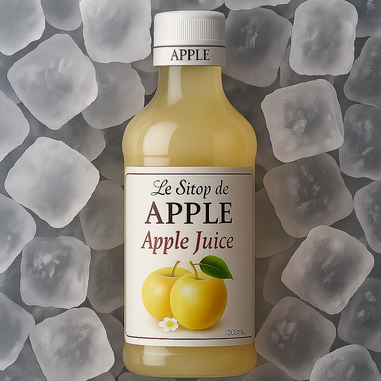
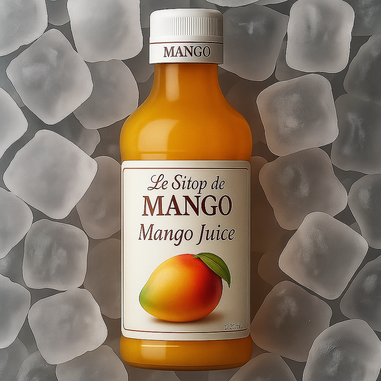
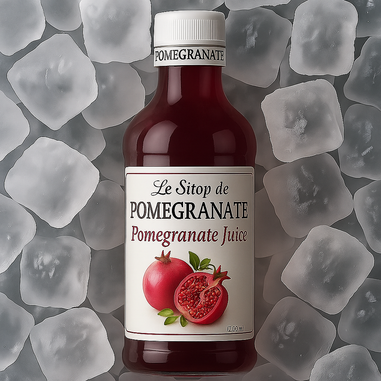
- Common examples: orange, apple, grape, pomegranate, mango
- Packed with natural sugars, antioxidants, and Vitamin C
- Best enjoyed in moderation due to high sugar content
-
Vegetable Juices
- Common examples: carrot, beetroot, spinach, kale
- Lower in sugar and rich in fiber, vitamins, and minerals
- Often mixed with fruits for better taste
-
Green Juices
- A mix of leafy greens like kale or spinach, blended with apple, lemon, or ginger
- Popular in detox and wellness routines
-
Cold-Pressed Juices
- Made using a hydraulic press to extract juice without heat
- Preserves more nutrients and enzymes compared to traditional juicing methods
-
Smoothie-style Juices
- Thicker, often blended with whole fruits, vegetables, yogurt, or nut milks
- Higher in fiber and more filling than traditional juice
Health Benefits of Juice
- 🧃 Hydration – Great source of fluids, especially during summer or after exercise
- 🍊 Nutrient Boost – Delivers a quick dose of vitamins like A, C, K, and folate
- 🥕 Improved Digestion – Ingredients like ginger and lemon can aid digestion
- 🫐 Antioxidant Power – Berries, grapes, and citrus fruits help fight free radicals
- 🧘 Detox Support – Some juice blends may support the liver and digestive system
Juice vs Whole Fruit: What’s Better?
Whole fruits contain fiber, which slows down sugar absorption and keeps you full longer. Juices, especially commercial ones, often lack this fiber and may have added sugars. That’s why nutritionists recommend:
- Drinking fresh juice in moderation
- Choosing 100% natural juice with no added sugar
- Pairing juice with meals, not replacing them
- Opting for blended smoothies when possible for extra fiber
How to Make Juice at Home
All you need is a juicer or a blender and your favorite produce. Some easy combos:
- 🍎 Apple + Carrot + Ginger
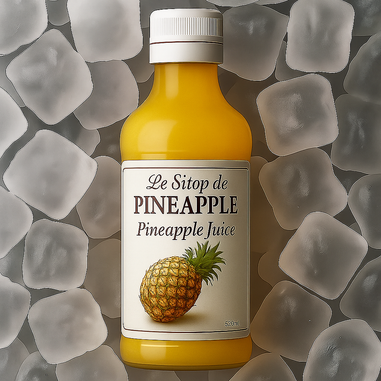
- 🍊 Orange + Pineapple + Mint
- 🥬 Spinach + Cucumber + Green Apple + Lemon
- 🍓 Strawberry + Beetroot + Lime
Add ice, herbs, or a splash of lemon for extra freshness.
Popular Juice Trends
- Cold-Pressed Juice Cleanses – Short detox programs using only juice
- Functional Juices – Infused with ingredients like turmeric, charcoal, or probiotics
- Plant-Based Milks in Smoothie Juices – Almond, oat, or soy milk for a creamy twist
- Ready-to-Drink Juice Shots – Small but powerful doses of ginger, turmeric, or wheatgrass
The Business of Juice
The juice industry is booming, with fresh juice bars, juice delivery services, and bottled juice startups popping up everywhere. People are more health-conscious than ever, and juice offers a tasty way to stay on track.
Whether it’s a quick immunity boost or a daily habit, juice is becoming a staple in modern wellness.
Final Thoughts
Juice is more than just a beverage — it’s a lifestyle choice. It brings together health, flavor, and convenience in every glass. Whether you make it at home or grab one on the go, juice is a vibrant, energizing way to nourish your body and refresh your day.
So go ahead — pour yourself a glass of goodness. 🧃